
For most of my adult life I’ve had gym and studio memberships. I’ve taken Body Pump, Yoga, HIIT, and Spin classes, and worked out on machines and with personal trainers. And for three and a half decades I was an avid runner and long-distance cyclist. As a kid, I was always on the go too. Walking, hiking, ice skating, roller skating, and biking were just what I did. To this day, working out is still part of who I am. It is seamlessly integrated into my life, as I love what being active offers. There’s no denying that there are physical benefits, but I’ve always enjoyed the positive mental and emotional aspects that accompany my workouts, too. And while I am not competitive per se, I have been known to compare my “sporty” self with others.
But now, approaching my mid-sixties, I am rethinking things a bit. Not that I will bid exercise farewell, but questions about the amount of time, intensity, and type of activity have crossed my mind recently. What is the ultimate way to stay fit, tone, and healthy at my age and going forward?

When the anniversary of a bike accident I had many years ago recently passed, it got me thinking. One after-effect of the accident was I developed sacroiliitis, a funny sounding condition that isn’t funny at all. Breaking my pelvis led to the painful inflammation I experienced in my sacroiliac joints. I remember the unbearable pain I had that started in my lower back and radiated down my legs. After seeking help from four doctors, one rightly diagnosed what I had and treated it with a targeted joint injection and prescribed physical therapy. It was during physical therapy that I was given two pieces of information, perhaps meant as advice, from the owner of the PT facility, based on his experience, training, and occupation.
From my journal: September 3, 2015, Newbury Park, California
“…Jeff said the best ways to stay healthy and keep moving are to do what our ancestors having been doing since the beginning of time…stretching and walking, both natural, no equipment needed.”
True? Are stretching and walking the best ways to keep mobile and healthy for a lifetime? Gathering information from the CDC, Harvard Health, the American Heart Association, UCLA Health, the Mayo Clinic, Stanford Medical Center, AARP and other health-related websites, the consensus is that yes, stretching and walking are key to our overall health, especially as we get older.
Stretching has been an essential part of wellness routines for centuries. People of all ages as well as fitness levels can stretch. It keeps us flexible which can prevent injuries, increases circulation, boosts joint health, reduces stiff muscles, and can improve our posture. I wrote about the two main types of stretches and specific ones that I use in my blog posts Stretch It Out and With the Flow. A fan forever, I love that stretching can be simple, yet powerful and there are many stretches to choose from depending on which area of your body needs it. In just a few minutes each day you can gently maintain your overall well-being now and for years to come.
Walking was mentioned as another vital exercise for its simplicity, convenience, and aerobic benefits. To keep your fitness level up all it takes is 150 minutes per week of aerobic activity, while 300 to 600 minutes is even better. If walking’s not your thing there are many other low-impact activities such as swimming, dancing, or tennis that can keep your heart pumping.
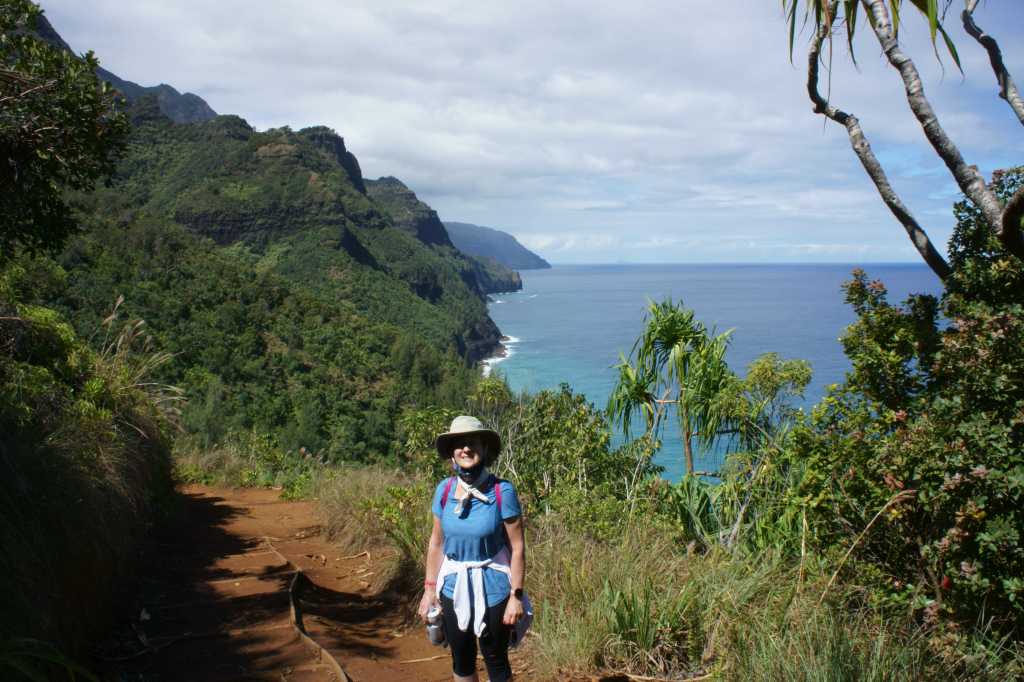
In addition to stretching and walking, I discovered that all these organizations recommend two other components that will keep us physically fit throughout our lives. One is strengthening muscles in all major parts of your body twice a week. Using weights, resistance bands, or working against a wall will do wonders. And the last piece of advice is to work on balance at least three times a week. Practicing heel-to-toe walking, standing from sitting, and walking in a criss cross pattern all help keep us upright!
It’s good to know that I’ve been on the right track, so I’ll continue stretching and walking every day as usual. However, there is something that came to light while doing this research. That is, I can ease up some. I still get in my 10,000 steps each day, but if I didn’t, it wouldn’t be the end of the world. I realize I don’t need to overdo anything and that includes walking, hiking, biking, and my tap dancing. I don’t have to keep up the intensity levels I had in the past. I don’t have to compete with anyone else or myself. Most of all, I can be happy slowing down a bit and relaxing a little more, while embracing a new change of pace.

