
A while ago, I wrote about the pre-wedding advice I was given by my family and friends in my blog post Good Advice. Married for 35 years, our next anniversary is just a few months away. Something’s working! Before and thousands of times since we’ve said our I dos, I’ve been reminded of what is touted as the number one key to a successful marriage. Akin to Superman’s abilities, it works faster than a trip to a marriage counselor’s office, is more powerful than an extra strength Excedrin, and can leap over a misunderstanding with a single word. Need another hint? It has 13 letters, is five syllables long, and it’s estimated that it occupies 75% of our waking hours, it’s…communication!
From my notebook: September 1, 1990, in Western Massachusetts
“Such a nice bridal shower…games, advice from aunts, cousins…talk to each other, talk out problems, don’t go to sleep mad…”
Said to be the foundation of a happy, healthy, and long-lasting marriage, communication lets a person know that you hear them, and that they hear you. This active process of exchanging information between a sender and receiver can be verbal, written, even visual like gestures. Essential to solid relationships, experts often focus on three main components. Very familiar with them, I’m happy to share what they are and how they work for us.
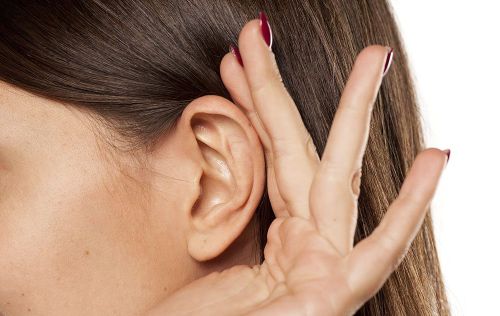
Active listening is at the top of the list. Not selective listening, like when you say to your partner, “Let’s have dinner at 6:30pm, it’s your night to cook” and they respond with an enthusiastic, “Sure!” Then it’s 6:30 o-clock on the dot, and they come into the kitchen and say, “Where’s dinner?” No, I am referring to the full on yes-I-am-looking-at-you-and-registering-every-single-word-you-are-saying…honey. I’ve learned a trick here, please indulge me. When you say anything that involves action, have the other person repeat it back to you. For us, this works 82.3% of the time.
Then there are the “I” statements that are supposed to help you express your feelings and allows your partner to acknowledge you and your needs. This is the one I have the most trouble with. For example, instead of me saying, “You always leave (fill in the blank) laying around,” I should say, “When you don’t pick up after yourself, I feel like a maid.” To which Robert may, well, most likely, will respond, “But I know how much you like to clean!” And I’ll say, “Yes! You’re right, I do, so thanks!” That’s when I forget why I’m annoyed. Maybe my “I” statements need more work, or maybe we just know each other so well, words aren’t always necessary. Perhaps gestures can be used more often. A simple sideways glance, or eye roll, or hands thrown in the air may express what one is feeling and what the other one needs to do.

And the last tidbit is to avoid raising your voice in heated discussions. I’m soft-spoken, so it seems this would be a good thing, right? But not speaking loud enough has left me resorting to other means to get my point across. Usually, leaving. And even this tactic isn’t fool proof. Once, years ago, we were living in a new area, in a small apartment with our pup, waiting for the escrow on our new house to close. Anyway, we got into an argument, I left the room, and I ducked out, taking the dog with me. I drove to a park where we walked for over an hour. (I timed it). When we returned, Robert was none the wiser. All I could think is, how did he not hear me leave? How did he not notice we were gone given the 500 square feet we were living in? I was so astonished that I laughed. (Okay, a minor disclosure here…he was on the computer at the time.) Speaking for both of us, I’d say we agree with this principle, and I’d think most people would prefer to be talked to, rather than yelled at. It makes hearing each other easier and the message clearer.
In my experience, these guidelines suggested by therapists do work. I’ve also discovered a few others. Check in with each other every day. No longer working, we spend more together time and even so, Robert will come by when I’m writing, reading, or doing an art project just to say hi. I do the same. Don’t underestimate the importance of a written note. When we worked, he’d often leave a post-it note on the table for me. I used to put notes in his suitcase when he traveled. Now we write notes in cards and share them from time to time. And laugh often. Using humor in everyday conversations can lead to more engagement and pure fun. Tapping into humor when tensions are high can diffuse situations and put things into perspective. By letting your partner know you hear them and when you know they hear you, your lines of communication can stay open, which can keep a marriage going strong!

 A Journal Journey