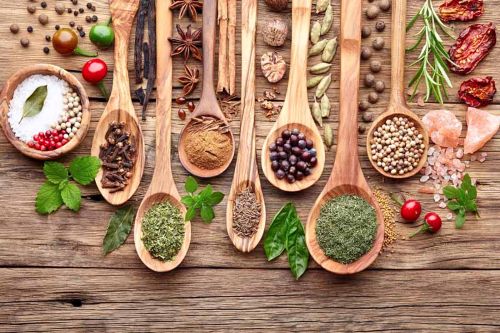
Lately I’ve noticed additions to our weekly shopping list. The fresh items are growing in number, and the dried varieties that would run out or expire every few years, I now buy every few months! My, have times have changed. I blame it on all the food shows. I’m not sure when this obsession began, but I am guessing it’s when I was introduced to Triple D. That is, “Diners, Drive-Ins, and Dives”, a show hosted by the chef you may recognize with his short cropped spiky white hair, grayish moustache, and untamed goatee, sporting heavy necklaces, and tats. That would be Guy Fieri, also known as the Mayor of Flavortown. His catchphrase “flavortown” originated on Triple D as a way to describe outstanding bold tasting food. While I watch other food programs, most of which pit chef against chef as they vie for a title, bragging rights, and monetary rewards, I’m not so interested in who wins. I just enjoy learning about new foods and ingredients, and how to cook and combine them. And especially, how to season them with herbs and spices that promote a dish to, if I may borrow from Fieri, “flavortown” status!
From my journal: January 12, 2025, Newbury Park, California
“…just discovered cardamom, which I had been referring to as cardamon…it’s perfect in my chia pudding, so good!”
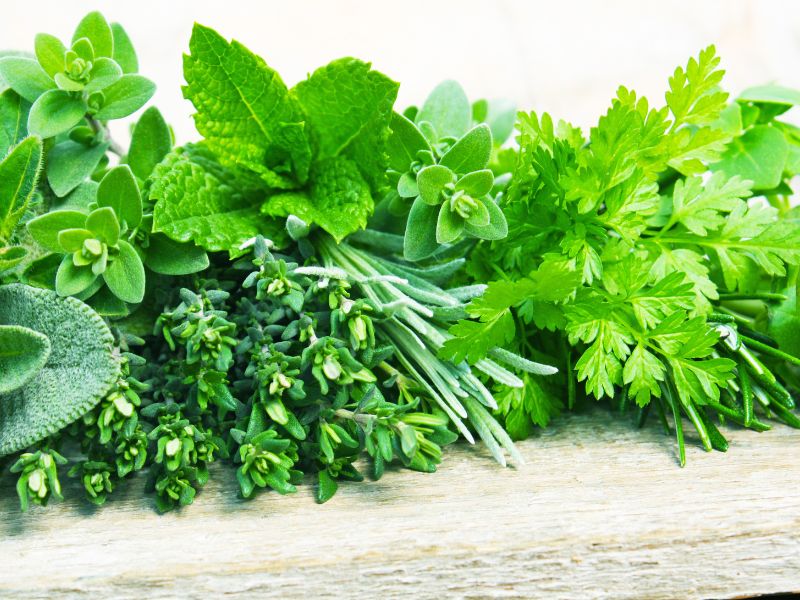
Before I go on, I need to make a distinction between two terms often used interchangeably. Herbs and spices. Both are sourced from plants and boost flavor and aroma. Herbs differ in that they are obtained from the leaves of herbaceous (non woody) plants. They are added to savory dishes and have medicinal value. Milder in flavor, herbs are often used in larger amounts than spices. Common herbs include basil, chives, dill, mint, and oregano. I think of herbs as the flavor enhancers and aromatics that I find in the produce section of our market.
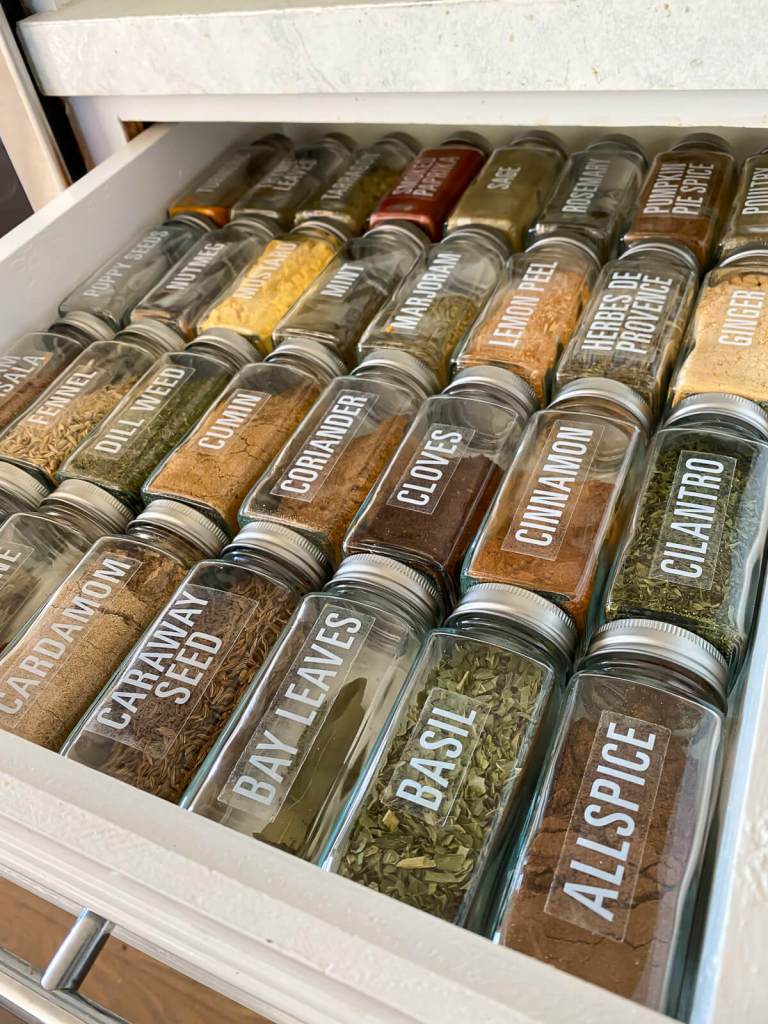
Spices are obtained from the flowers, fruits, seeds, roots, or bark of plants, and most often are more potent than herbs, so smaller amounts are needed. As well as boosting taste and fragrance, they can also act as a preservative. Chili powder, cloves, curry, nutmeg, and paprika are day-to-day spices. I think of spices as the bottled goodies in ground or seed form that I find in the baking aisle.
Now some plants produce both herbs and spices. For instance, the leaves of the Coriandrum sativum are known as the herb cilantro, while its ground seeds are known as the spice coriander. Regardless of their form, I love them as they can turn an everyday dish into a gourmet meal!
As long as I’ve been on my culinary journey, I’ve seasoned food with the basics like salt (which is actually a mineral), pepper, garlic powder, and onion powder. There are, however, 10 others I frequently have on hand. Instead of just telling you what they are, let’s play a game and see how many you know!
NAME THAT SEASONING!
1. Smoky, earthy, & nutty, used in Mexican, Indian & Middle eastern dishes, find in chilis, hummus, & curries.
2. Earthy aroma, must be removed before serving, find in tomato sauces, pot roasts, & bean soups.
3. Peppery taste, infused in butter, its leaves can be fried, find in Thanksgiving Day dishes like dressings & tossed in pasta.
4. Warm & sweet, paired with sugar in baked goods & also used in stick form, sprinkle on oatmeal, great in apple pie & stir in cocoa.
5. Piney, needle-like leaves, infused in butter, pairs well with lamb, potatoes, & focaccia bread.
6. Mild & grassy, used as a flat leaf or curly garnish, find in chimichurri, potato salad, & tabbouleh.
7. Warm & earthy, used mainly in Chinese cooking, grated or ground in baked & savory foods, stir-fries, & steeped in tea, & soda.
8. Woodsy & lemony, hearty stems, enhances slow-cooked meals, find in chicken soups, with grilled lamb & green beans.
9. Bold & slightly bitter, essential in Mediterranean cooking, find in tomato-based dishes, eggplant parmesan, & gyros.
10. Peppery & anise-like flavor, topper for pizzas, find in pesto, caprese salads, & tomato soup.
And the answers are: 1. Cumin, 2. Bay Leaves, 3. Sage, 4. Cinnamon, 5. Rosemary, 6. Parsley, 7. Ginger, 8. Thyme. 9. Oregano, and 10. Basil. How many did you get correct? Regardless, thanks for playing along!
While these are regulars in my spice drawer and fridge, latest newcomers include garam masala, harissa, saffron, sumac, and turmeric. Continually creating new dishes, I am always adding to my herb and spice repertoire in hopes of making meals more fragrant, more tasty, thereby expanding my seasonings, and finally reaching that ultimate destination: flavortown.

 A Journal Journey