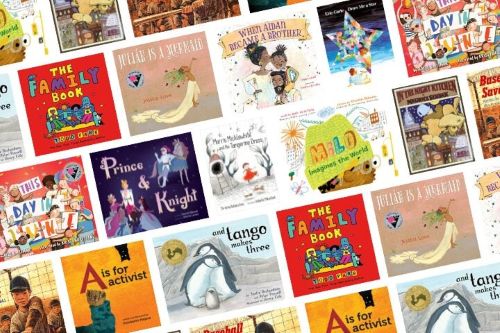
In just six days an important annual week-long event kicks off. I’m looking forward to taking part, as are many others. Teachers, librarians, writers, journalists, authors, booksellers, and readers of all kinds will be joining in. What started in 1982 as a response to an unexpected escalation in the number of books being challenged in libraries, schools, and bookstores, Banned Book Week is almost here. Yay!
From my journal: July 24, 2026, Thousand Oaks, California
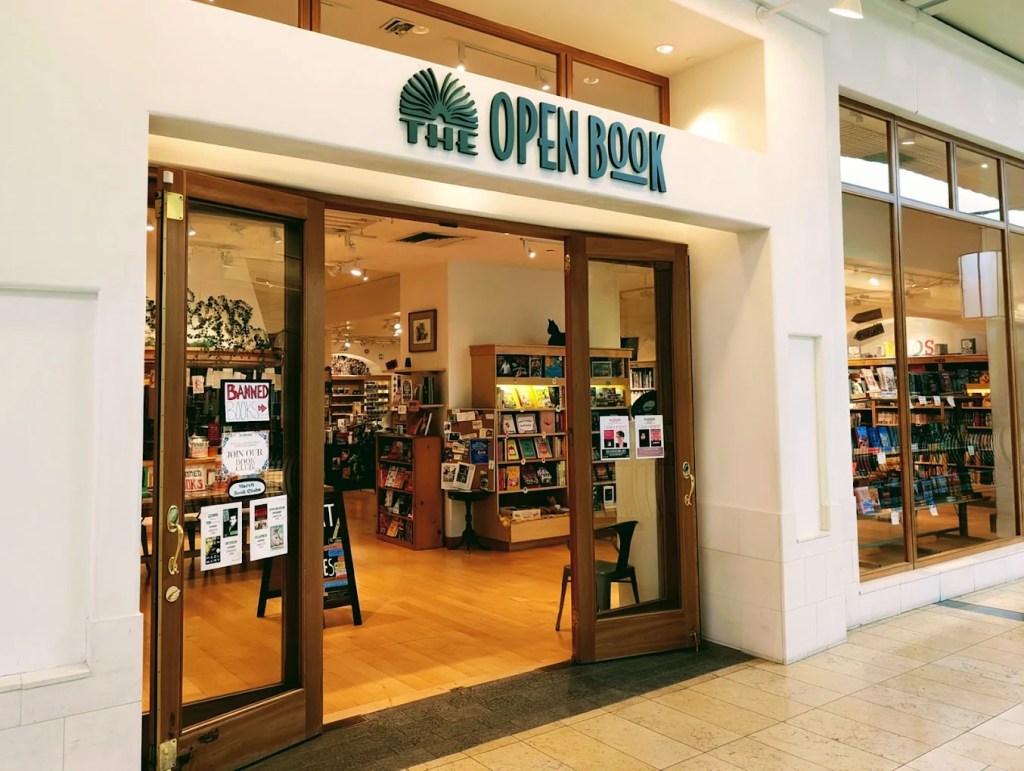
“…stopped by The Open Book today…loved that the first table you see when you walk is stacked with banned books! Have read many of them…”
Why is this cause for celebration? Because this event shines a light on the negative effects of censorship and the positive benefits of unrestricted reading. I’ve written about Banned Book Week in my Different People, Places, and Perspectives and All Need to Be Heard and Seen posts. As mentioned in one post, the First Amendment of our U.S. Constitution protects our right to freedom of speech, yet every year individuals and groups register complaints about specific books deeming them inappropriate citing content and language. And who is most often attempting to censor books? I was surprised to learn that it isn’t individual parents. No, according to the American Library Association’s Office for Intellectual Freedom, most complaints were made by organized groups. “In 2025, 92% of all book challenges were initiated by pressure groups, governmental officials, and decision makers, up from 72% in 2024.”
I wholeheartedly agree with the Access to Library Services for Minors (part of the American Library Association policy) that states “Librarians…maintain that parents – and only parents – have the right and responsibility to restrict access of their children – and only their children – to library resources.” Until children reach adulthood, their parents are responsible for all aspects of their lives. So, if a parent doesn’t want their child to read certain books, it’s their right to restrict access. However, making decisions regarding what is appropriate for other parents’ children is not.
As a former teacher, I know the importance of “like me” moments. When children who feel socially excluded for one reason or another recognize themselves in something they’ve read, not only does it make them want to read more, but it boosts their self-esteem. They feel they belong. I know when children read about other people, places, and perspectives, they are better prepared for the world. And I know when children read diverse books, they become more accepting of others, which fosters empathy. All positives in my book.
To participate in Banned Book Week, where does one start? Suggestions are offered through organizations such as: United Against Banned Books, ALA, and Reader, Voter, Ready among others. Because censorship is a national problem that needs to be changed starting on the local level, voting is critical. Vote for policies and candidates who support the right to read for all. Take the Freedom to Read Voter Pledge found on the National Education Association’s website. Call and ask for support from local decision makers and leaders like school administrators, library board members, and council people in your community. Follow an advocacy organization in the Banned Book Coalition on social media, sign up for emails, or make a donation. Every little bit helps!
Check out a banned book from your local library so that the staff knows you’re interested in keeping those books in circulation. Buy a banned book and donate it to a library, school, or share through a Little Free Library. Write a letter to your local school or library board, elected officials, or the editor of your local newspaper voicing your support for everyone’s right to read. Attend a rally or town hall to learn where local candidates stand on this issue. Or volunteer to work an election or at your local library.
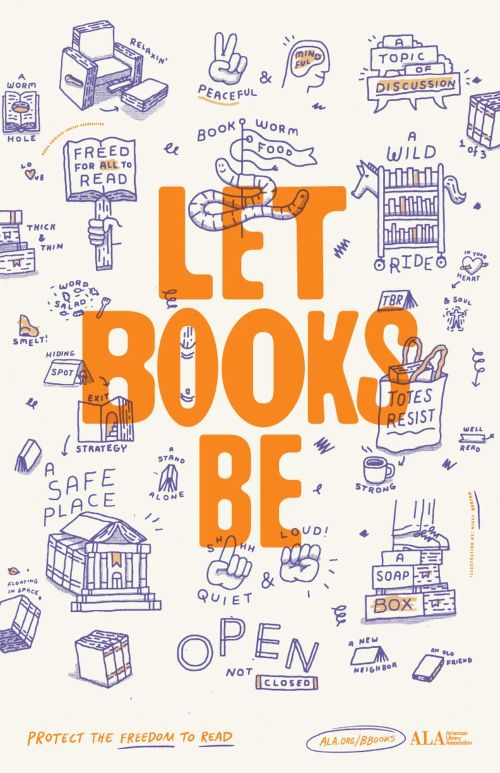
For my part, I will continue to vote in all elections and will keep up-to-date on candidates and policies that support the right to read for all. Having volunteered as a poll worker in two elections, these empowering experiences made me realize even more the importance of being heard. I’ve also volunteered for several years at our local libraries. This has allowed me to understand my community better and how I can help. I took the Freedom to Read Voter Pledge and I plan to buy a few banned books to donate.
We all deserve the right to read. Different people, places, and perspectives all need to be seen and heard. So, I stand with the banned.


Very interesting. Thanks. It’s fascinating what gets banned and why. I read Lady Chatterley’s Lover as a student and was pretty underwhelmed. It wasn’t even that well written. At university, a friend had the Anarchist’s Cookbook and let me look at it. Ooh, so dull! It’s still banned in the UK even though the information is available online (if you’re inclined and willing to go to prison, if caught. I’m not – on both counts).
LikeLiked by 1 person