
Kobe Bryant, Wayne Gretzky, Mary Lou Retton, and…me. Me? Yes, me! What could I possibly have in common with a legendary basketball player, hockey player, and gymnast? I’m not a world-famous sports figure or a professional athlete. No, but like them, I believe that in sports, mental strength is equally important as physical skills and ability.
Watching the XXV Winter Games these past two weeks has reminded me of this. All participants had to dedicate years practicing their sport to simply qualify for the Olympics. And as stated during athlete interviews, they had to develop a competitive, clear, and calm mindset, as well. Mental strength helps competitors remain composed, build self-confidence, fine tune skills through mental rehearsal, and hang tough in high pressure situations. Such a mindset can be achieved through various techniques, methods, and tools, one I’ve tried myself.
From my journal: April 29, 1998, Fountain Hills, Arizona
“…the session with Dr. T-K was terrific! So relaxing…wonderful. I am going to apply the techniques to cycling & sports…and everything else!”
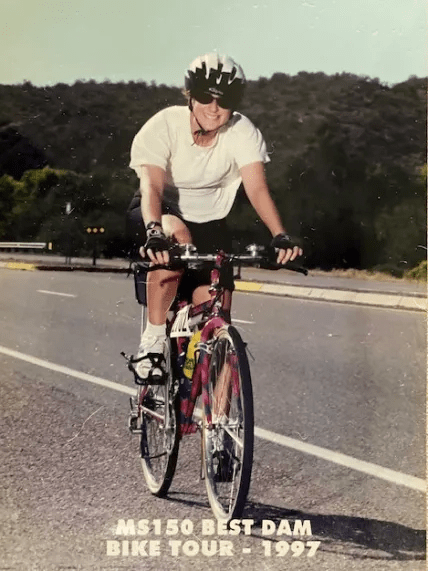
When I had that session with Dr. Tresse-Kramer, a psychologist in Phoenix, I was involved in long-distance cycling. Five months earlier, Robert and I completed the MS 150 Best Dam Bike Ride in southwestern Arizona. One hundred and fifty plus miles in two days was a huge challenge that I wrote about in my Keep Moving Forward post. Then, I was only concerned with riding as many miles as possible before hitting the road. But once I began conditioning my mind as well, I realized I could overcome obstacles more easily in subsequent events.
And what was Dr. Tresse-Kramer’s specialty? Hypnosis. Approved by the American Medical Association in1958, hypnosis is accepted as a well-founded and sound scientifically based therapeutic tool. Working with a trained professional, a person is guided into a trance-like state. Once relaxed, their body and conscious mind remain alert and receptive to suggestion. The goal is change negative self-defeating thoughts and make them positive. Hypnotic suggestions bypass the intellectual mind and target the subconscious. So, when an idea presented is within the bounds of the person’s belief system, it’s accepted literally and becomes a reality. Hypnosis can be used in pain management, stress and anxiety reduction, and to quicken the healing process.
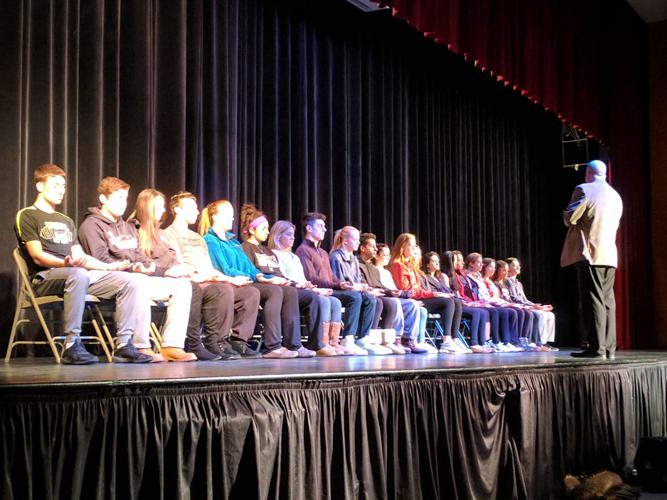
Previously, the only experience I had with hypnosis occurred decades earlier. It took place on stage in my high school auditorium. There I watched as fellow classmates reacted in strange ways when a facilitator said a magic word or phrase. Ha! Perhaps you can relate. But when I met Dr. Kramer and she told me about her work with athletes, I was intrigued. Even so, I still was reluctant to give it a try. My fear wasn’t of acting odd or revealing deep dark secrets. My fear was of losing control.
This is what happened.
I sat in a recliner and closed my eyes. Dr. T-K. guided me through progressive relaxation in which I physically and mentally let go of tension in every part of my body, head to toes. I felt calm, but alert.
Then, I was guided on a walk along a tropical beach while I envisioned palm trees swaying in a gentle breeze, heard birds singing and waves lapping against the shore, I felt warm sun on my face and at peace.
Next, I was asked to see myself on my bike enjoying a ride. I was to imagine all the sensations – the wind on my face, my legs pedaling along, and my steady breathing. I visualized a long stretch of road and traversed it quickly. When I reached the end, I felt as invigorated as I had at the start.
At that point, Dr. T-K. said I could relive this feeling anytime by simply saying a phrase and making a hand gesture. She counted from 20 to one and then I opened my eyes and became aware of the room I was in. I felt completely at ease. And the big takeaway for me was that my fear of losing control was totally unfounded. Instead, I felt more in control.
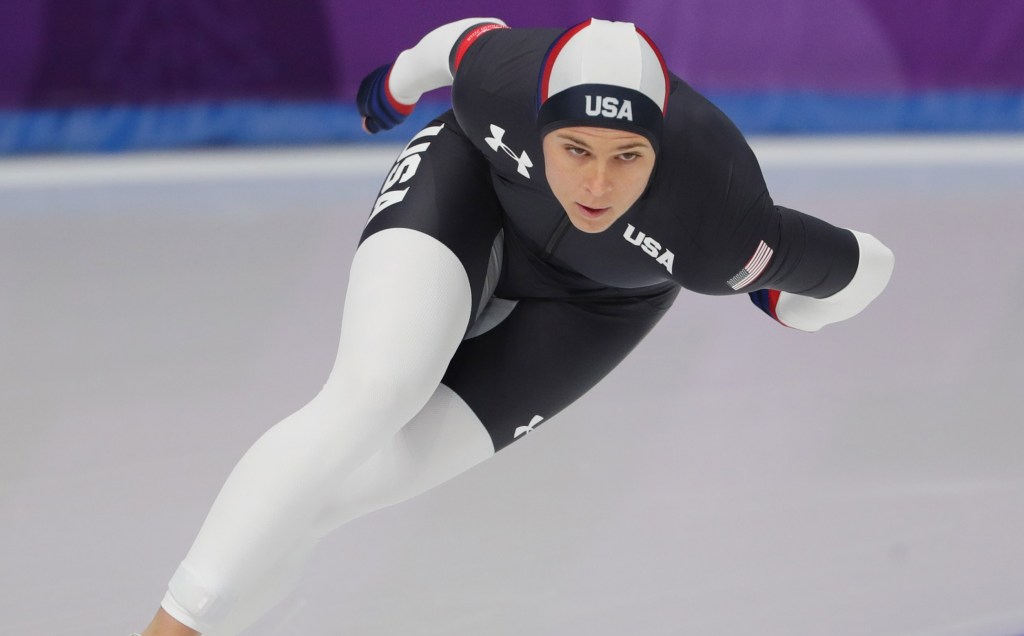
My experience is not unique. Four-time Olympian speed skater Brittany Bowe, uses hypnosis to “lock in her mindset”. She first relaxes, then with sensory simulation Bowe visualizes the entire event from the bang of the starting gun, to cheers of spectators as she finishes the race victoriously. Golf legend, Tiger Woods relies on this tool to manage high-stakes tournament pressure. Deep breathing, imagery work, and blocking out distractions helps him stay focused on the game at hand. And the most decorated Olympian of all time with 28 medals to his name, Michael Phelps used hypnosis to “videotape” his swim races in his mind. That way, he could practice his events hundreds of times before even getting into the pool.
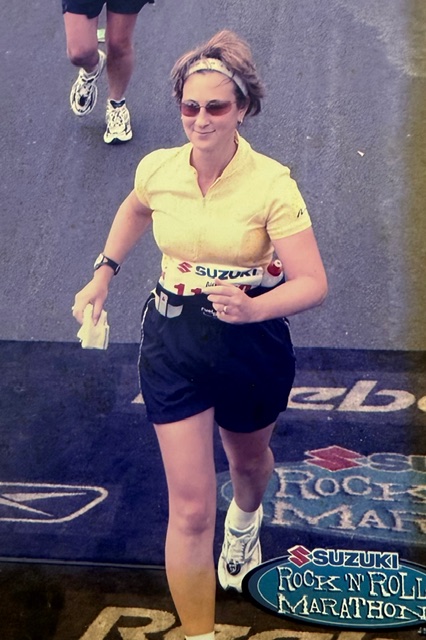
Having participated in cycling and running events throughout my life, mental conditioning has been essential, especially when long distances were involved. It’s towards the end of these races, specifically mile 90 of a century bike ride, and mile 18 of a marathon, that self doubt and negative thoughts crop up. Feeling physically spent, but still having a ways to go, is when I’d have to dig deep, tune out the noise in my mind, and see myself crossing the finish line.
For professional athletes, and weekend warriors alike, hypnosis offers a way for anyone to relax and tune into their body, learn to identify mental barriers, visualize a successful performance, and reinforce it with practice. It can be a real game-charger.
 A Journal Journey