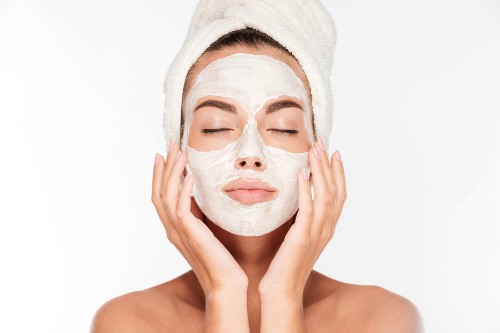
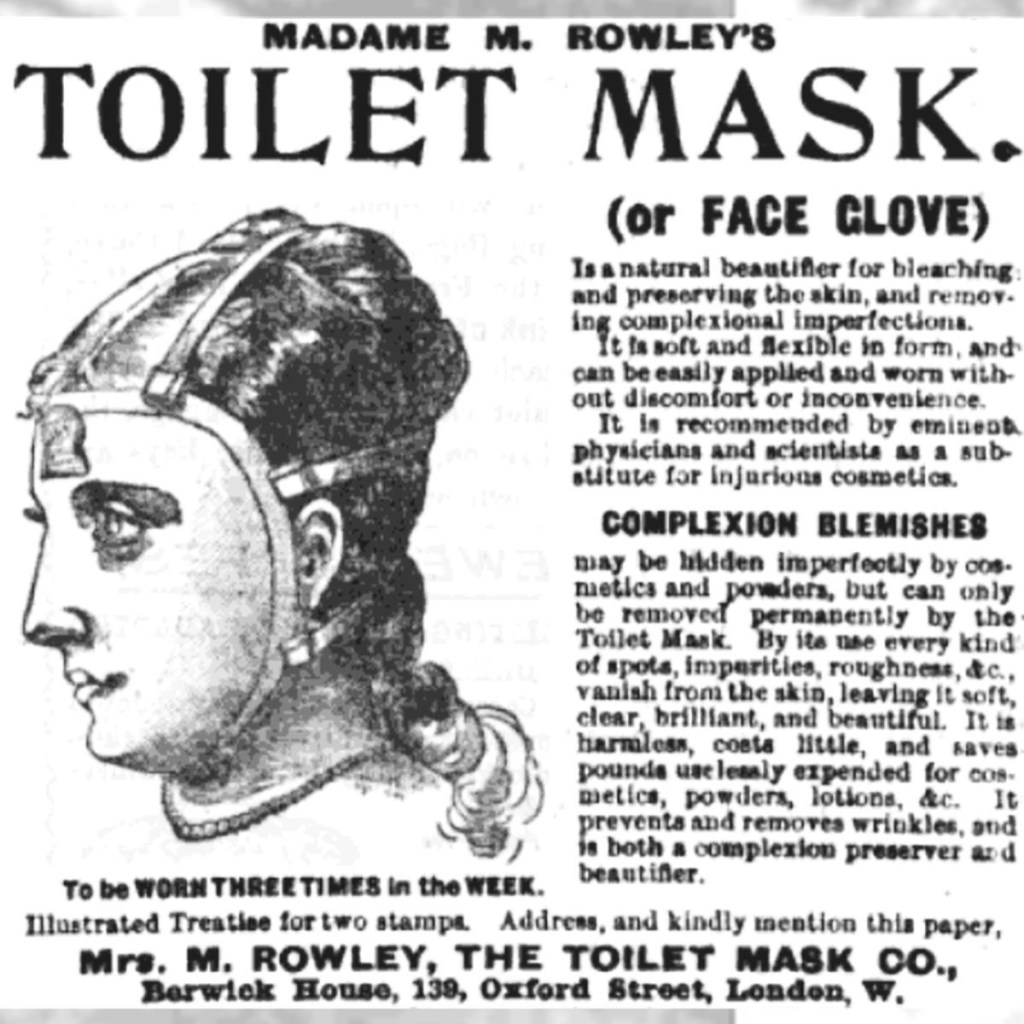
Around for centuries, they’ve been a part of beauty routines and rituals throughout the world. Ancient Egyptians made theirs from clay, sometimes adding a touch of milk and honey. Similarly, mud ones were common in Greece. Romans were known to prepare theirs with eggs, yogurt, flower petals, and cocoa butter. In India, herbs, oils, and natural fibers were the preferred ingredients. During the Tang Dynasty, the Chinese mixed crushed pearls, ginger root, rice water, and tea leaves to make them. While during Victorian times Europeans simply fashioned theirs out of thin slices of raw beef and veal! Ew! Credit for creating the first generation of the sheet type made from gauze strips soaked in homemade serums goes to the Japanese and Koreans. And in the 19th century, an American named Madame Rowley invented a more hygienic kind made of rubber that was filled with bleaches, salves, and ointments. With a strap to hold it in place, it was marketed as the “Toilet Mask” or “Face Glove.”
Well before modern dermatology existed, that is the branch of medicine dealing with the skin, civilizations worldwide valued their appearances and realized the benefits of applying pastes, creams, and sheets to their faces in order to clean, moisturize, and smooth them. Today’s facial or face masks may contain vitamins, minerals, oils, flowers, herbs, and vegetable and fruit extracts. And current versions of sheet masks are made from paper, fabric, or cellulose.
From my journal: December 13, 2019, Newbury Park, California
“My facial was so good…the gel mask was soothing, time flew by…my skin still looks and feels good today!”
While I’ve had the pleasure of getting facials in the comfort of salons by talented estheticians for some time, I’ve also been concocting and applying my own face masks at home for much longer. It all began in high school when I read an article, most likely in one of my mom’s magazine’s Good Housekeeping perhaps, that touted how good oatmeal was for the skin. So setting aside some cooked oatmeal after breakfast one morning, I spread the leftovers over my face. Doing my best to smooth out the clumps, I quickly learned I needed to be reclining after patting it on or at least have a towel draped around my neck. So messy!

A natural exfoliant, I liked how my face felt and looked after leaving the oatmeal on for 10-15 minutes, then rinsing it off with cool water, so I got a little experimental and began adding egg whites to the mixture, then honey, and even applesauce! Over the years, I’ve whipped up face masks with all sorts of natural goodies like fruit juices, oils, vinegars, as well as clay, yogurts, and bananas. Fun to make, easy to apply, and the results? Softer, smoother, dewy skin. Ah, what’s not to like about that?
Other benefits of face masks whether in cream, paste, clay, gel, or sheet form may include reducing acne, deep pore cleaning, lessening excess oil on the skin, restoring skin balance, evening out complexions, facial hydrating and exfoliating, and perhaps even reducing fine lines and wrinkles. Another plus is that using face masks can be a part of any self-care regiment. Slathering healthy goodness onto your skin and then kicking back for 15 minutes to an hour while the ingredients do their magic, can be so relaxing for the body, mind, and soul.
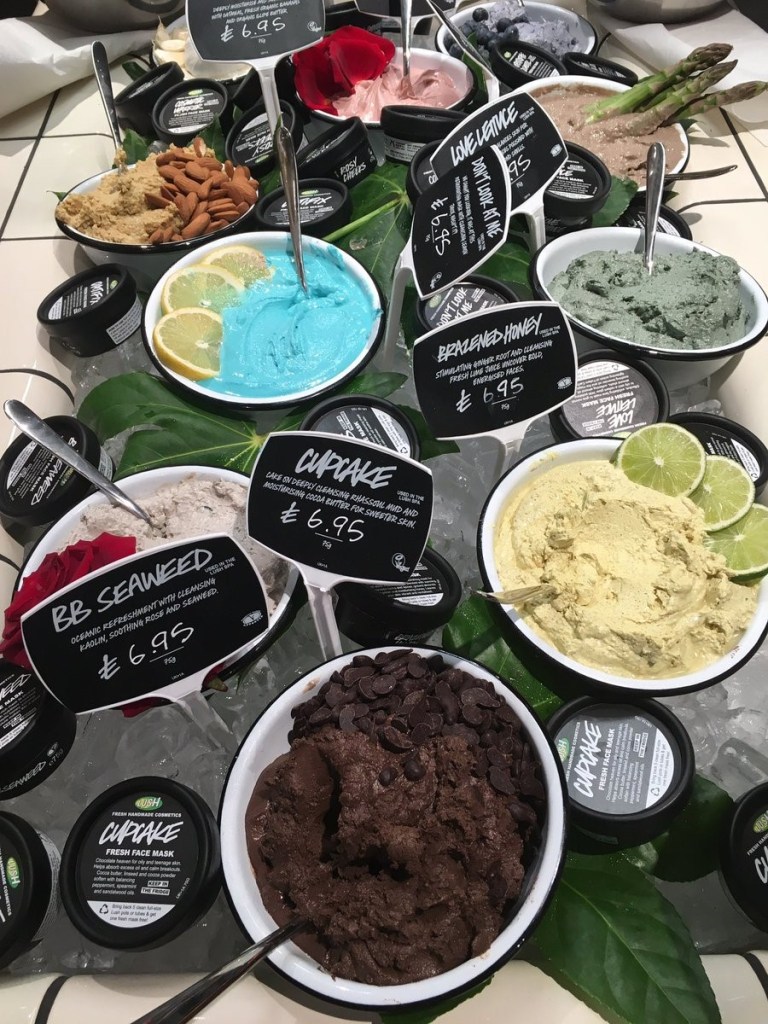
With all that face masks have to offer, why not try one on today? And today would be especially apropos as it is officially National Face Mask Day – hooray! Founded in 2019 by the British beauty product retailer, Lush Cosmetics, its purpose is to remind people to set aside time for a little self-care. If there’s a Lush Cosmetics shop near you, stop in and take advantage of their deals on face masks. Or if like me, you prefer to mix up your own elixir and enjoy some at-home masking, go for it! Let’s face it, to keep up a healthy appearance, good skincare is essential. Valuing our skin by investing in a little TLC will ensure that we are putting our best faces forward.
 A Journal Journey