I was so excited about accepting my first teaching job after receiving my credentials, but I was also so…nervous. Mrs. N. was leaving on maternity leave and would not return for the balance of the year. Even though this was a long-term sub position, it was my first chance to prove myself, to practice all the theories I had studied, and to teach on my own.
I knew I’d work my hardest and I knew I’d be open to learning from and being a part of the First Grade team. I also knew that if I did a good job it could help me get a permanent position within our district. The pressure was on!
And when I compared myself to Mrs. N. I became even more anxious. She had teaching experience and a terrific track record. I was a newbie having worked in business for years prior. She had a great rapport with her team, with the school staff, and especially with her students and their parents. I was an unknown. She was calm, cool, and collected. I was not. Could I possibly measure up?
Comparing ourselves to others is innate, it’s in our nature to do so. Our brains are hard-wired to evaluate ourselves against others. Thank goodness! For that’s the main reason we’ve survived this long. Our ancestors had to be able to differentiate between friend or foe just to stay alive! Today, comparisons help us understand how we fit in with others, what behaviors are appropriate, and when and how to adjust to social norms. However, there are both positive and negative consequences of holding a mirror up to ourselves and others.
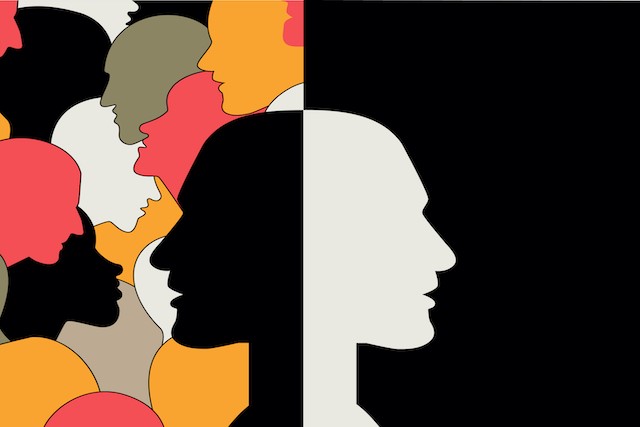
Social comparison, as it is referred to, can be healthy. It can inspire us, boost our self-esteem, and motivate us to improve our lives. When we look at those we admire and their successes, we can learn from them. Their experiences can help us set or revise our own goals, gauge our personal progress, and feel a sense of belonging.
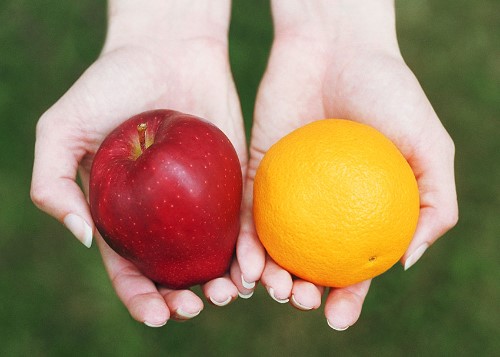
Social comparison can also be unhealthy. It can stifle us, make us feel less about ourselves, and depress us. And now that social media is a big part of modern life, with a click of a mouse or a swipe of a finger, anyone, at any time, can view any image of a person to compare themselves to. The thing is to be realistic about how you compare yourself to someone else. Apples and oranges are both fruit, but are not the same. Knowing what we can and cannot change is key.
While I compared myself to Mrs. N., so did her students and their parents.
From my journal: April 4, 2001, Thousand Oaks, California
“Having a rough time…kids and parents are just getting to know me…I’m not Mrs. N. as one parent reminded me…I am learning as I go, about the students, the curriculum, classroom management etc…this is so hard!”
When that school year came to a close, I finally had time to reflect on all that had happened. While the road was bumpy those four months and a number of times I questioned my abilities and skills as a teacher, I knew I had put a lot of effort into my work. I knew I had reached out to my team and listened to what they had to say. I knew I had strived to keep the high standards Mrs. N. had in place. Comparing myself to her and other teachers, really made me push myself, modify my goals, improve how I approached things, and be realistic about where I was in my new career. I knew I had been the best teacher I could have been at that point. And I was also thrilled, as I was offered a job that upcoming fall!
From my journal: August 15, 2001, Thousand Oaks, California
“Spent 9:15am to 6:45pm at school today…it was great being around the other teachers…got to talk to a few on a more personal level…makes me so happy to be a part of things…it’s going to be a great year!”

 A Journal Journey