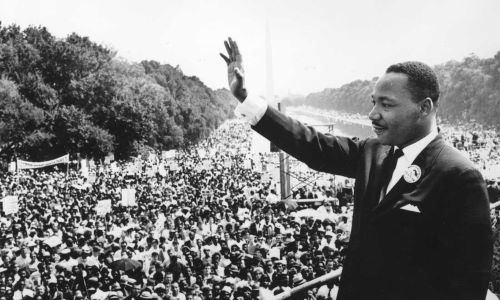
Although I was born in the early 60’s, I wasn’t aware of racism until I was an adult. I had heard about Dr. Martin Luther King, Jr. from TV broadcasts, but I didn’t understand what he represented. Afterall, I was just six years old when he was assassinated, and I couldn’t comprehend why someone would want to kill him. I didn’t know about the civil rights movement, Jim Crow Laws, or protest marches that brought attention to segregation. Why? Partly due to my age, and the fact that we didn’t learn about these events in school, nor did we talk about them at home. Social media didn’t exist then, so news coverage wasn’t as widespread as it is today. It also may have had something to do with my race. I am White. Most likely, I didn’t know about racism because I wasn’t being treated unfairly due to the color of my skin.
I grew up in western Massachusetts in a predominately White neighborhood. It wasn’t until I went to school that I met Gregory, Darnell, Denise, Michelle, Holly, Tony, Marvin, Kerry, Victor, and Lorenzo. They had darker skin and we referred to them as Colored. But it didn’t seem to matter. Since we were in the same grade, we got to know each other, played together, and ate lunch together. We were friends.
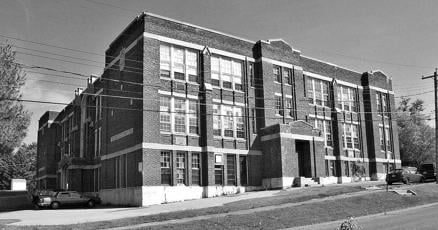
I don’t remember thinking anything else about our skin color until 5th grade. That’s when we met Angela. She moved to Pittsfield from New York City in the early 1970s and enrolled in our class mid-year. She was tall, sturdy, with dark hair. Curious, someone asked if the other kids at her former school were Colored, too. None of us thought it an inappropriate question. How could we? Her reply was, “I am not Colored. I am Black. Call me Black,” with no hint of anger in her voice. I don’t know how anyone else felt about her comment, all I know is that it made an impact on me, especially as I haven’t forgotten it, and that was 50 years ago.
Looking back now, not only did our skin tone differ, but where we lived, too. Although we went to the same school, when class let out we parted ways. It seems that the dividing line between us was Onota Street. We headed up towards Coolidge Park and they headed down towards the Housatonic River. It’s odd now that I also don’t remember hanging out with them outside of school. Was it simply because we played with kids from adjoining streets on weekends?
After elementary school ended, I saw less of these school friends. We weren’t in the same classes, or in the same school activities throughout junior high and high school. However, when we saw each other in the hallways, we did say hi. One thing I distinctly remember is that more than once, some of my White friends expressed being afraid of the Black kids, but I didn’t get it. Maybe it was because these Black kids were kids I knew. Kids I considered my friends.
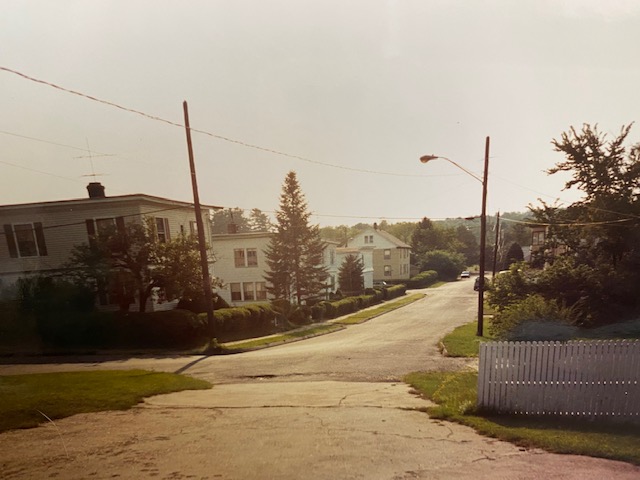
The absence of Black people in my daily life continued through college and even my first jobs. One company I worked for in the mid-80s employed all White workers, except one. Kevin. Most of us were friendly with each other. Often, we went to lunch and happy hours together. After coming to a party at our house, I remember Kevin saying that I was living the good life, and I didn’t even know it.
How interesting that like Angela’s comment, Kevin’s has stuck with me all these years. He may have been referring to many things, but we did have conversations in which he said it was tough being him. Was it because he was Black?
Today we celebrate Martin Luther King Jr.’s birthday. It means more to me now because I have a deeper knowledge of the disparities between races. How all of us are perceived, treated, and which avenues are open or closed to us. Social media has made us witness events and know people that we can never forget. Eric Gardner, Breonna Taylor, and George Floyd, among others who have died at the hands of police. The mass shooting of Blacks at a grocery store in upstate New York last year by a proclaimed White supremacist. Racial discrimination and injustice are not something of the past. We only have to turn on the TV, go online, or open a newspaper to know it’s a part of our everyday lives. So, what do we do?
Perhaps the first step is to acknowledge that racism exists. If it is real, it can be changed. We can challenge the notion of being “colorblind”. We must see color differences in order to create equality for everyone. We can examine our biases. Do we have bigoted thoughts or believe stereotypes? Only by changing our thoughts will our behaviors and actions follow. We can speak up when we hear something that is racist. A joke or statement that disparages another perpetuates the problem. Not saying anything implies we agree or condone it. And we can educate ourselves and others, especially kids, through books, movies, and talks about racial issues. Validating others’ feelings and experiences will promote compassion and understanding.
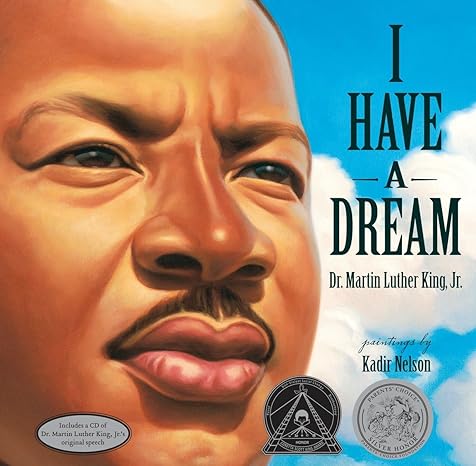
From my journal: September 3, 2014, Newbury Park, California
“New classroom books…love the MLK Jr. one – a hardback and a CD with the recording of his Dream speech! Can’t wait for my students to hear it…”
Racism doesn’t just affect people of color, it affects us all. And as Martin Luther King Jr. said in his letter from Birmingham City Jail, “Injustice anywhere is a threat to justice everywhere.”
 A Journal Journey