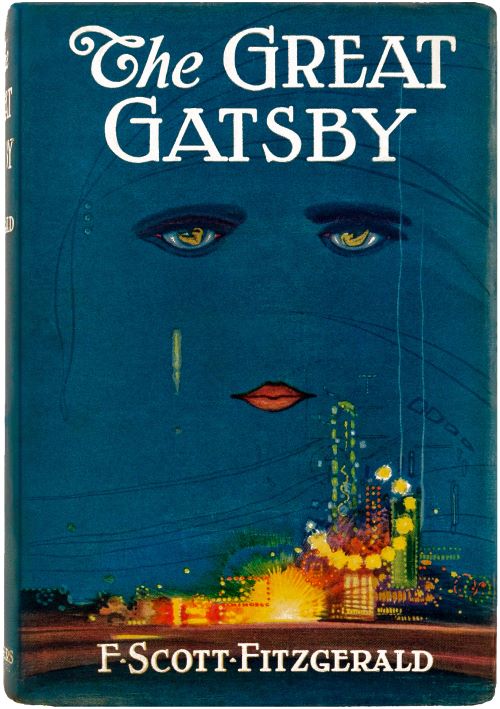
The Great Gatsby by F. Scott Fitzgerald, Lord of the Flies by William Golding, and Harper Lee’s To Kill a Mockingbird are novels that still have a place on my bookshelf, in my memory, and especially in my heart. I’ve read them several times. And every summer I pull out F. Scott Fitzgerald’s masterpiece set in the 1920s to revisit the happenings in New York City and the fictional suburbs of West and East Egg. Delving in, I can feel the giddy anticipation as guests arrive to enjoy lavish weekend parties thrown by Jay Gatsby at his magnificent mansion, knowing they will hob-nob with socialites, partake of delicious food and drink, and dance late into the night to the melodic sounds of an orchestra playing under twinkling stars. I can feel the ever-present excitement of each public and private encounter between Gatsby and Daisy Buchanan, his long-lost love, as he tries to win her back. And I can feel the deep sadness as the story ends at Gatsby’s sparsely attended funeral and as the truth about how he’d amassed his fortune is revealed. It gets me every time.
While The Great Gatsby stirs up feelings, Lord of the Flies and To Kill a Mockingbird ignite thoughts. With its theme of fear and isolation that leads to murder, The Lord of the Flies still scares the living daylights out of me. But more so, it makes me think. What would happen if I found myself in the situation the boys find themselves in? What does this story say about human nature? What would society be without rules or leaders? And To Kill a Mockingbird with its racial and social prejudices makes me ask questions. Do I always consider another person’s perspective before making judgments? Are our actions pre-determined by our upbringings and life experiences? Why doesn’t the truth and justice always prevail? All three books introduced me to unfamiliar people, places, and perspectives, yet their descriptions were so vivid, intriguing, and engaging that before I knew it, I was thoroughly immersed into these new worlds.
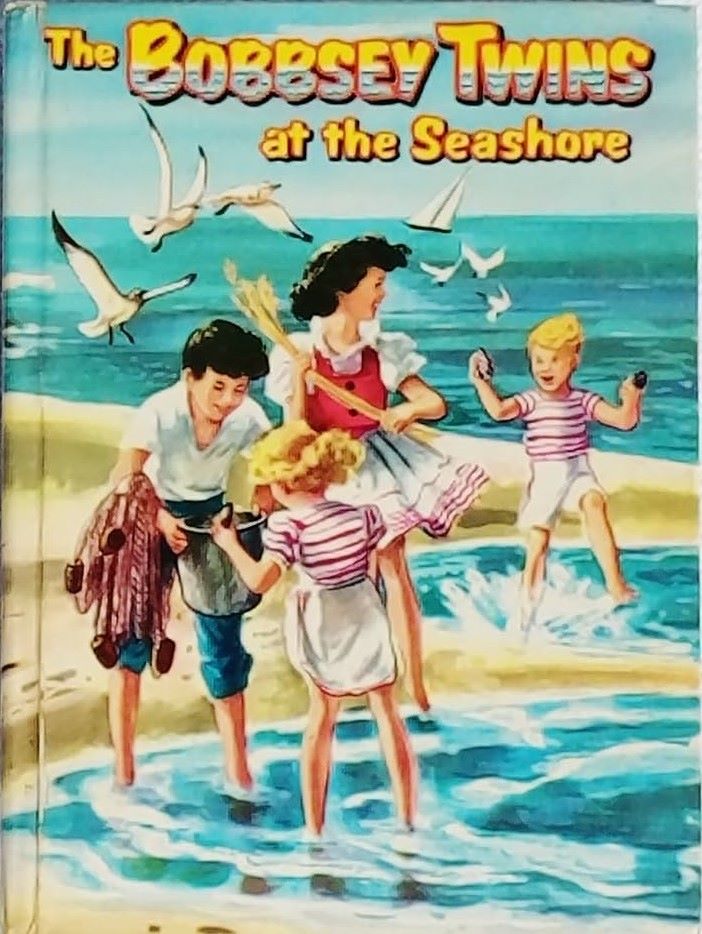
As an avid reader since kindergarten, I can’t imagine my life without books and not being able to read whatever I choose. I enjoy contemporary fiction, non-fiction, just about any genre, and I have a fondness for the classics. What I’ve been learning lately, especially about the classics, is that many are or have been on banned book lists. As a matter of fact, all three titles I mentioned were removed from schools and libraries at some point. But even more surprising was that two of them were assigned reading when I was in high school in the late 70s! This got me thinking about other books that were a part of my life growing up. Books like the ones our 6th grade teacher, Mrs. Goodrich read to us. One such series detailed the adventures of a family named the Bobbseys, which included two sets of fraternal twins, Bert and Nan, and Flossie and Freddie. Their outings took us to the beach, a lake, a farm, the city, even a campground. I remember the characters and their antics as fun and amusing, so last year I ordered a couple of them to reminisce.
From my journal: January 15, 2022, Newbury Park, California
“The Bobbsey Twin books came today…paperback reprints…there was a note on the publishing page of each one. It basically said the book is a product of its time and that parents might want to talk about how racial views have changed before letting their kids read it!”
Why the publisher’s note? What had I missed? I picked up The Bobbsey Twins’ Adventure in the Country, the second book in the series that was published in the early 60s. In the first chapter, Dinah is introduced as the family’s maid. She is described to as “a plump colored woman.” Was this is the type of racial view the publisher was referring to? Would a description like that have offended 10-year-old me? It seems unlikely that Mrs. Goodrich asked our parents if she could read these books to us, so did she think it was okay because their contents were reflective of the time? I also wondered, was this series ever banned?
This line of thinking led to even more questions. Should any book be banned? How does a book get banned? Who has the authority? What reasons are cited? And how can we support the freedom to read any book we’d like without any restrictions?
With Banned Book Week coming soon, what better time to find out!

 A Journal Journey